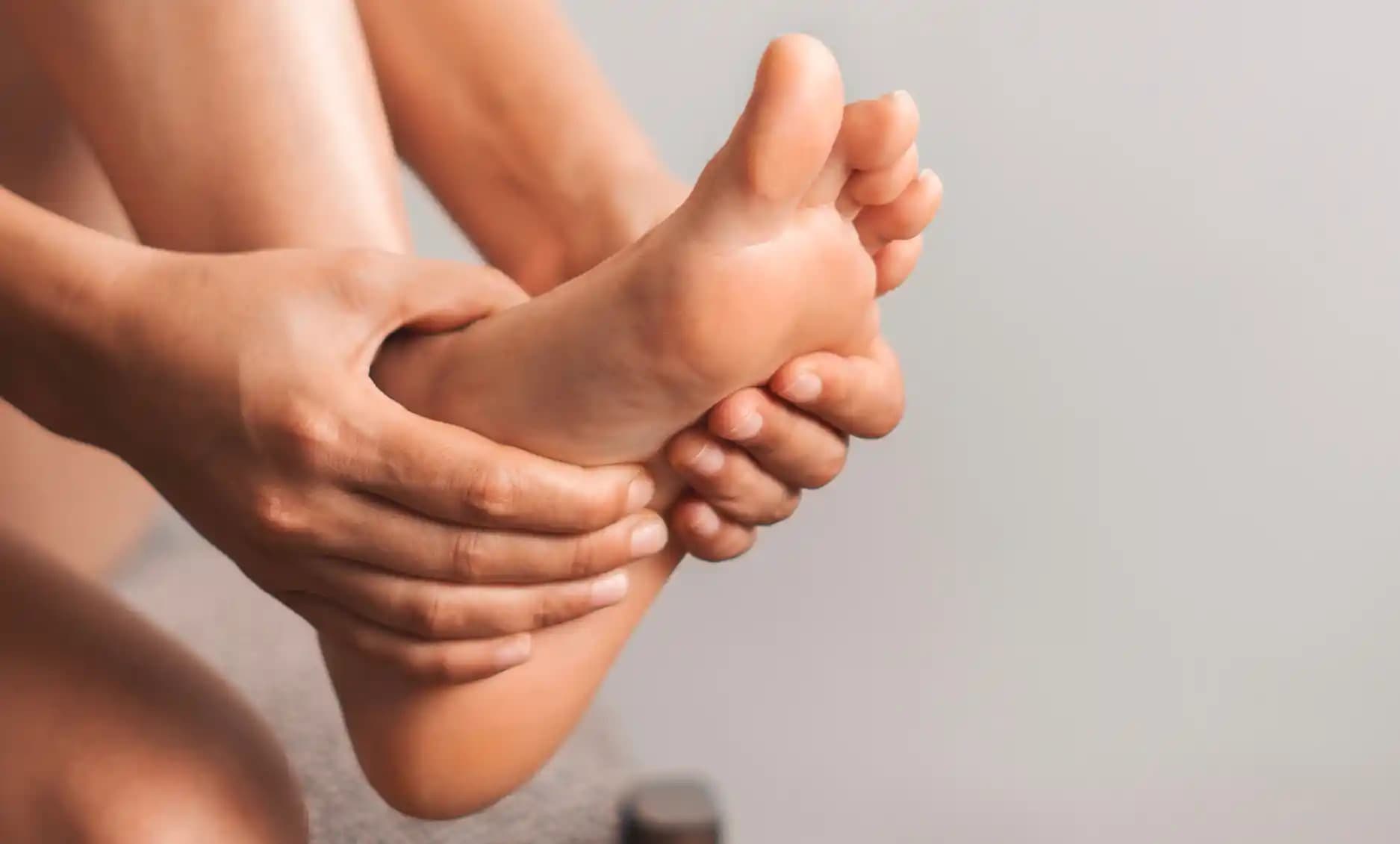
Post-race recovery: what to do in the 72 hours after.
Most runners obsess over training and ignore recovery. The first three days after a hard race shape the next three weeks.

You spent four months building toward race day. You executed the plan. You crossed the line. Then what? For most amateur runners, the answer is: nothing. Lie on the couch, eat pancakes, and hope the legs unstick by Wednesday. That is one option. It is not the option that gets you to the next start line healthier than this one.
The first 72 hours after a hard race or workout is when your body decides whether the next training block starts strong or starts fragile. Here's the protocol I walk runners through.
Hour 0 to 6: do less, not more
The single most common mistake is jumping into "active recovery" too soon. Your nervous system is fried, your glycogen is depleted, and you have micro-damage in tissues that need time to start the repair process. Things to do:
- Walk for five to ten minutes to gently flush the system, then stop
- Eat carbohydrate plus protein in roughly a 3-to-1 ratio within ninety minutes
- Hydrate with electrolytes — not just water
- Elevate the legs for ten minutes
Things to skip: an ice bath (the evidence is increasingly clear that ice baths blunt the adaptive response when used post-workout), aggressive stretching, deep tissue massage.
Day 1: gentle movement, gentle food
Twenty to thirty minutes of easy walking, light cycling, or swimming. Heart rate stays under 60% of max. The goal is circulation, not training.
The 24-hour mark is when most people make their second mistake — they assume soreness means they should rest more. Soreness means the system is rebuilding. Help it.
Add a foam-rolling session in the evening, two to three minutes per major muscle group. Slow, breathing through it. If something feels acutely sharp (not just sore), back off — that's the signal to come see us.
Day 2: targeted soft-tissue work
Day two is the right window for hands-on recovery work. Men's Health's running section and Runner's World have both covered the case for professional soft-tissue intervention 48-72 hours post-event.
In clinic, this is when we'd do:
- Cupping on the lower legs and posterior chain — decompresses the tissue, increases local blood flow
- ART or instrument-assisted soft tissue mobilization on calves, hamstrings, glutes
- A precision adjustment at any segments that locked up during the race (very common in the SI joints and mid-back)
Day 3: small reintroduction
An easy 20-30 minute jog at conversational pace. Nothing aggressive. The goal is to remind your nervous system that running is still a thing it does, without adding training load.
Optional but helpful: a movement screen. If anything moves differently than it did before the race, address it now rather than letting it become the basis of compensation patterns in the next block.
If you have sharp pain that doesn't ease by Day 2, a joint that feels mechanically off, or specific tendon pain (Achilles, plantar fascia, peroneal), book a visit. Catching a small thing this week prevents a four-week thing next month.
The bigger picture
Runners who treat recovery like a discipline — not like a thing they do when they remember — measurably outperform runners who don't. The longevity literature, covered well by the New York Times Well section, makes the same case for everyday athletes: train moderately, recover seriously.
You did the hard work to get to the race. Spend the next three days doing the small work that lets you keep doing the hard work.
Book a 48-hour post-race recovery session.