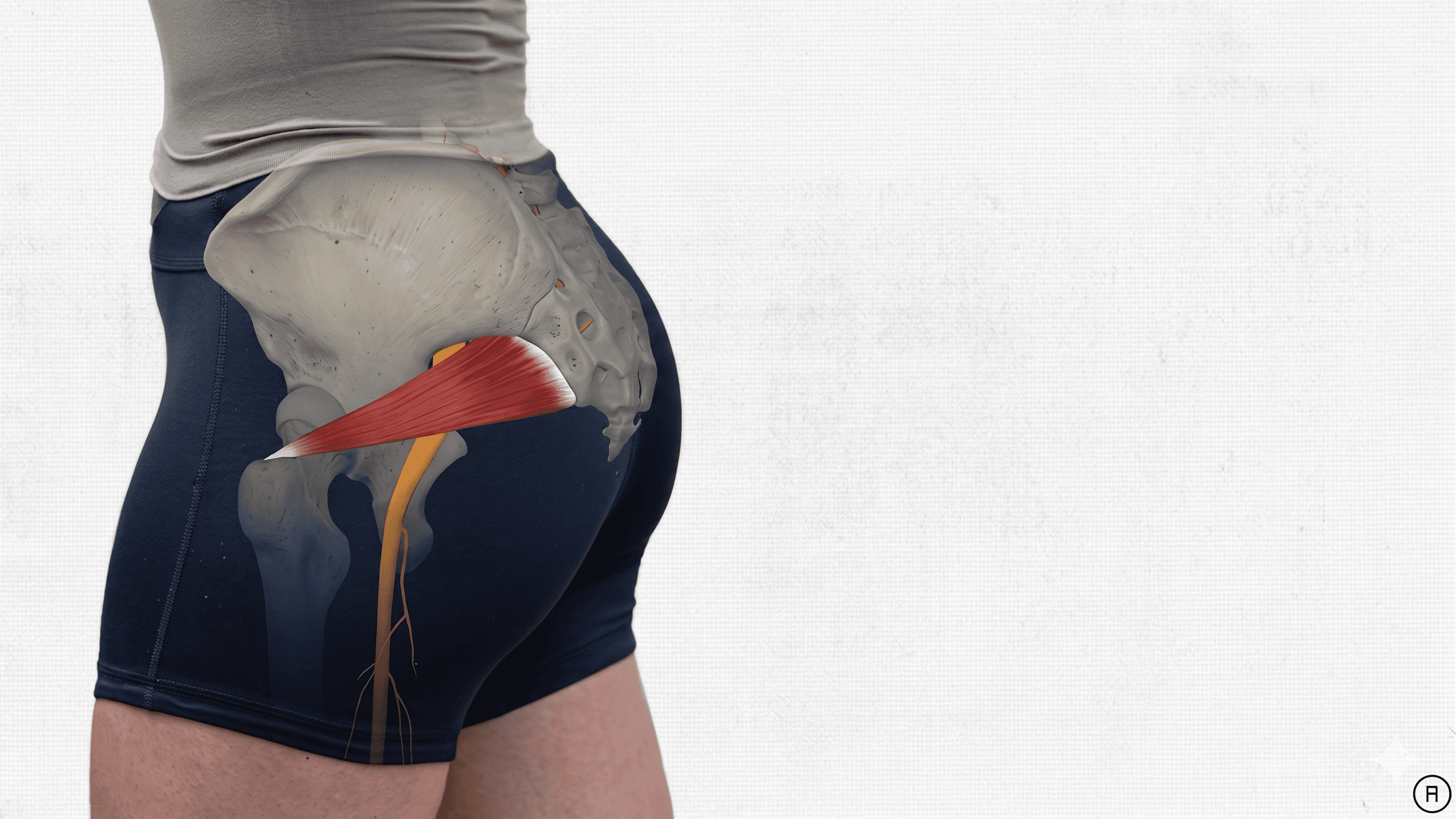
Pickleball is the fastest-growing sport in America. Your body didn't get the memo.
Twelve million players, a sport that looks low-impact, and an injury list that tells a different story. What pickleball actually demands — and how to keep playing at your best.
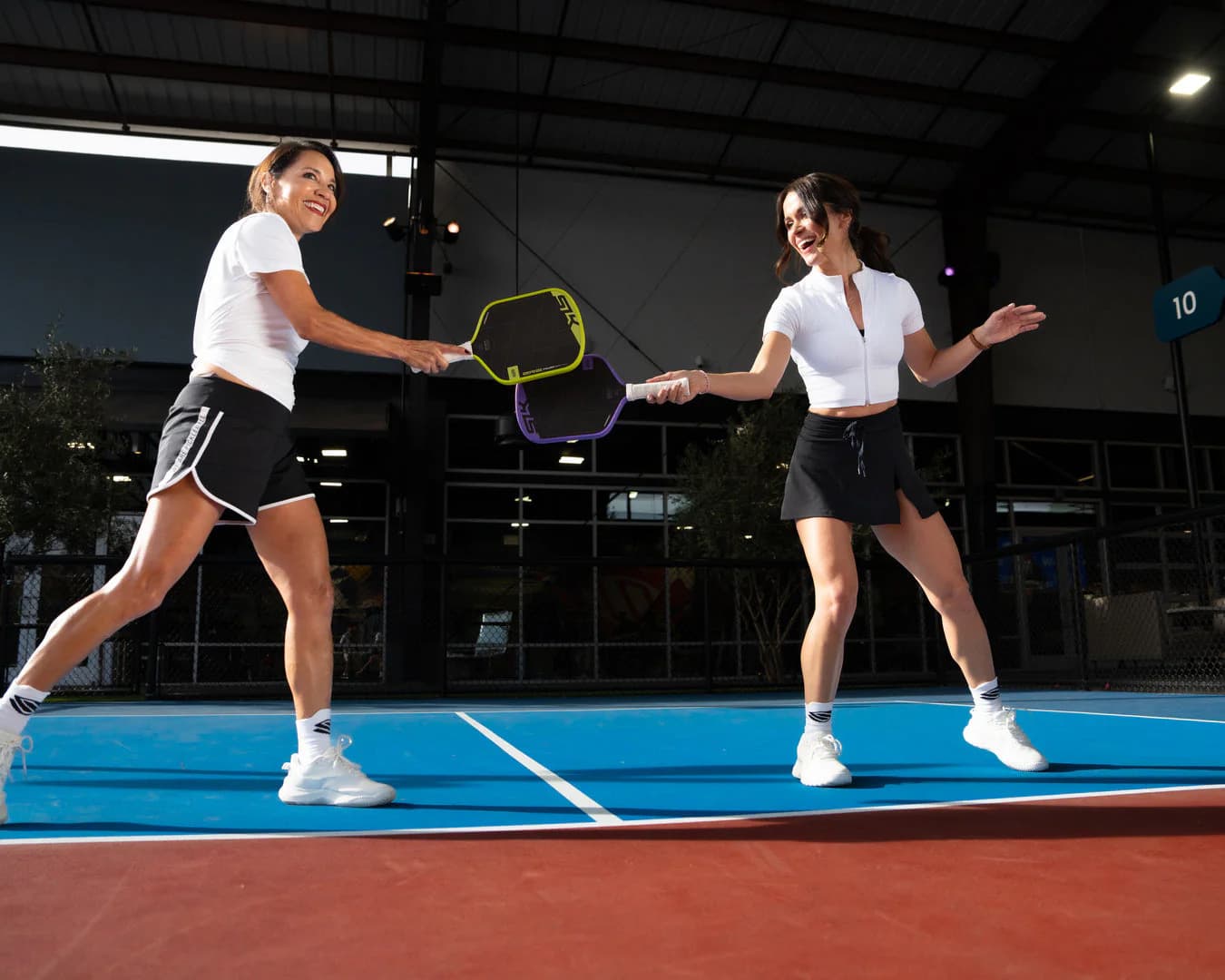
There are pickleball courts at the Rec-Plex in St. Peters, at the Cottleville Community Center — three minutes from our clinic — at O'Fallon Sports Park, at the Wentzville Community Center, and at Chesterfield Valley Athletic Complex. Every one of them is packed by 7 a.m. The fastest-growing sport in the United States isn't slowing down, and neither are the players who've discovered it. What we're seeing in the clinic, though, is a steady increase in pickleball-related injuries that people didn't expect — because pickleball looks easy on the surface.
The mismatch between appearance and demand
A wiffle ball. A lightweight paddle. A court that's about a quarter the size of a tennis court. Compared to tennis or racquetball, pickleball looks positively leisurely. That perception is wrong in ways that matter for your tendons and joints.
The actual movement demands are intense:
- Explosive lateral cuts — the kitchen game requires rapid side-to-side loading with almost no deceleration time
- Sustained forward lean at the non-volley zone — standing at the kitchen line with a forward-flexed spine for extended periods loads the lumbar extensors constantly
- Rotational loading on every forehand and backhand — the swing is shorter than tennis but still demands thoracic rotation with lumbar stabilization
- Overhead serving and reaching dinks — the shoulder is repeatedly loaded through a throwing-like arc
- Rapid deceleration — stopping quickly on hard court surfaces loads the Achilles, plantar fascia, and knee with high braking forces
None of those demands are friendly to a body that's been mostly sedentary, or to someone who jumped in cold after years of lower-intensity activity.
The injury list we're actually seeing
Pickleball injuries are well-documented enough now that the sports medicine literature is catching up. What we see in clinic matches the pattern:
- Pickleball elbow (lateral and medial epicondylitis) — this is the most common. The constant grip and wrist snap of the paddle game loads the forearm extensors and flexors in ways people aren't conditioned for. It develops gradually, often ignored through several sessions, and then suddenly it's there every morning.
- Achilles tendinopathy — explosive starts from a standing position, repeatedly, on hard court. The Achilles is a spring — it stores and releases energy — but it needs time to adapt to new loading. Jump in to four sessions a week after years off, and it won't adapt fast enough.
- Plantar fasciitis — hard court surfaces and poor footwear are a predictable combination. We see this particularly in players who wear running shoes instead of proper court shoes.
- Rotator cuff strain — overhead serving and reaching dinks across the body load the supraspinatus repeatedly. Players who lack internal rotation in the shoulder compensate through the labrum and the RC instead.
- Low back pain — the forward lean and rotation combination at the kitchen line is essentially a sustained half-deadlift position. Lumbar extensors that aren't conditioned for it fatigue and compress the posterior joints.
- Knee pain from lateral loading — particularly the lateral knee (IT band, lateral meniscus) from repeated side-cuts on a hard surface without adequate quad and hip strength.
The age factor
Pickleball's demographics skew older than most sports — the median player age in most surveys is in the mid-40s to early 60s. That matters clinically. Tendons lose stiffness and resilience with age. The Achilles at 55 does not respond to sudden loading increases the way it did at 30. Recovery between sessions takes longer. The body can absolutely handle high-volume pickleball at any age — but it needs more intentional maintenance to do it sustainably.
This isn't a reason to slow down. It's a reason to be smarter about recovery and structural maintenance.
The 2-minute court-side check
Before we get to what regular maintenance looks like — take a quick read on where your body is right now.
What maintenance actually looks like
Stretching after a game is a floor, not a ceiling. Players who stay healthy over the long term are doing more:
- Regular spinal adjustments — keeping thoracic and lumbar rotation clean means the rotational demand of the game gets distributed through more segments, not concentrated into one or two stiff levels. We see players whose mid-back stopped rotating five years ago, and every forehand is now loading L4-L5 exclusively.
- Soft-tissue work on the forearm extensors and Achilles — these are the two tissues that fail most often, and they respond well to targeted treatment before they become symptomatic. Monthly maintenance sessions catch the early tightness before it becomes epicondylitis.
- Eccentric loading protocols for the tendons at risk — this is the evidence-based standard for Achilles and patellar tendinopathy. Slow, loaded eccentric work rebuilds tendon structure and tolerance. Stretching alone doesn't do this.
- Shoulder stability programming — rotator cuff strengthening, particularly the external rotators, protects the serving shoulder. This is a fifteen-minute program done twice a week and it changes the risk profile dramatically.
The players who stay on the court for years are the ones who treat their body like an asset that needs maintenance — not just a pain signal to react to.
A movement screen at The Spine Studio takes about forty minutes. We assess your rotational range, shoulder mechanics, Achilles loading tolerance, and hip stability — and build a maintenance plan specific to your game. Whether you're playing twice a week or every morning, there's a program that keeps you on the court.
Book a court-ready movement screen.
Five questions. One minute. Read on your body right now.
01Do you play 3 or more times per week?
02Does your elbow or shoulder ache after a session?
03Is your first step in the morning stiff or sore?
04Have you skipped a session in the last month because of pain?
05When did you last have a movement screen or adjustment?
Answer all 5 questions to continue.